

 Contact Us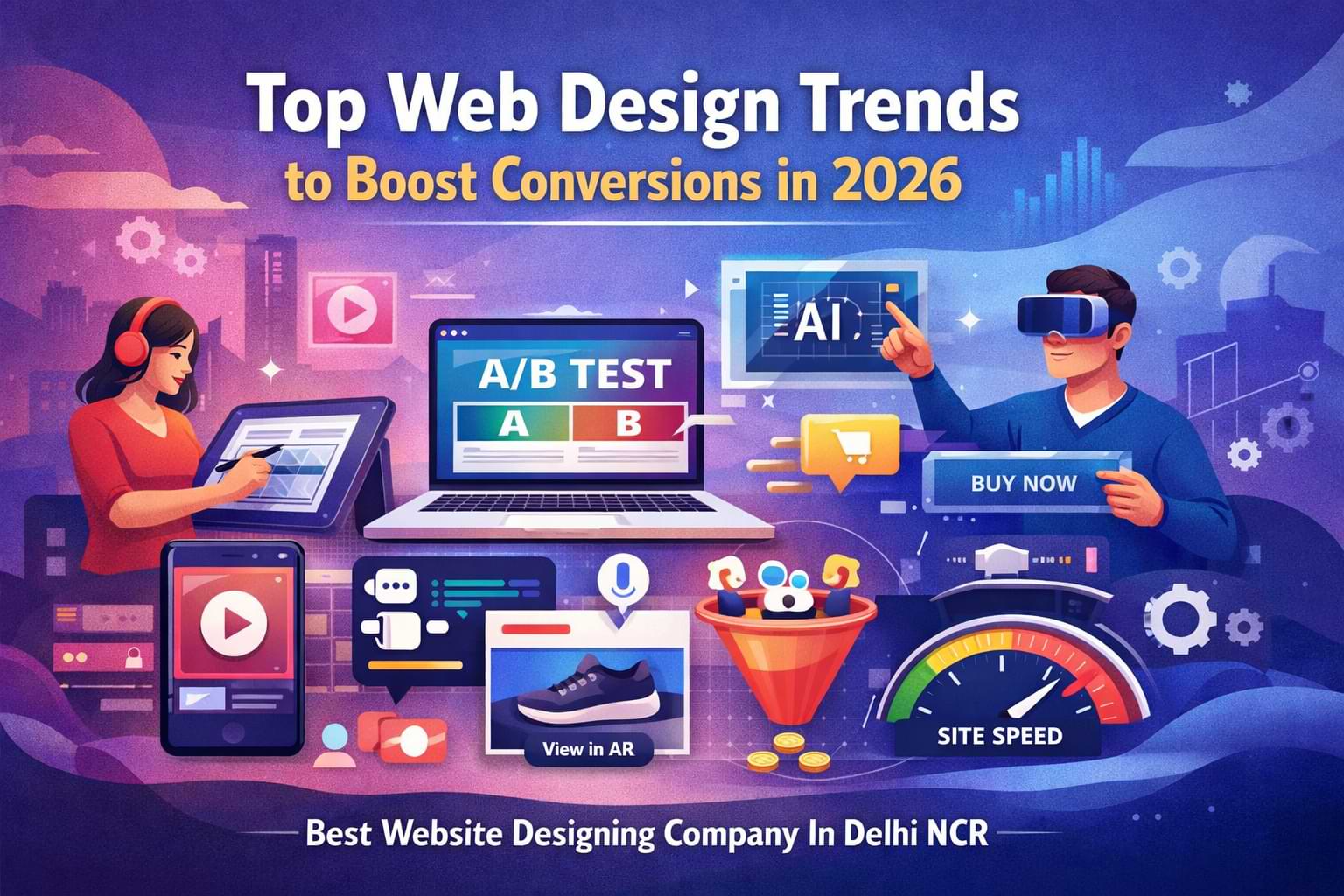
In the fast-evolving digital ecosystem, a website is no longer just a virtual presence—it is a conversion engine. Businesses today depend heavily on their websites to attract users, build trust, and drive measurable results. As we step into 2026, web design trends are increasingly focused on performance, usability, and personalization. Companies that adopt these innovations can significantly improve their conversion rates and overall digital success.
Collaborating with a Web Design Company In Delhi can help businesses implement these modern strategies effectively, ensuring that every design element contributes to higher engagement and conversions.
1. User-Centric Design is the Core Strategy
The foundation of modern web design lies in understanding user behavior. Websites are now designed around user needs rather than business preferences.
Key Aspects:
- Simple and intuitive navigation
- Clear information hierarchy
- Minimal distractions
- Quick access to important pages
When users can easily interact with a website, they are more likely to stay longer and complete desired actions, such as making a purchase or filling out a form.
2. Mobile-First Approach is Essential
With mobile devices dominating internet usage, designing for smaller screens first has become a necessity.
Benefits:
- Improved user experience across devices
- Better search engine rankings
- Increased engagement
A responsive website adapts seamlessly to all screen sizes, ensuring consistent performance whether accessed on a smartphone, tablet, or desktop.
3. High-Speed Performance Matters
Website speed has a direct impact on user retention and conversions. Slow-loading websites frustrate users and increase bounce rates.
Optimization Techniques:
- Compressing images
- Reducing unnecessary scripts
- Using efficient coding practices
- Leveraging caching systems
Fast websites not only improve user experience but also enhance search engine visibility.
4. AI-Driven Personalization
Artificial Intelligence is transforming how websites interact with users. Personalized experiences are now a key factor in improving engagement.
Examples:
- Tailored product recommendations
- Dynamic content based on browsing history
- Smart chatbots for instant support
Personalization creates a more relevant experience for users, making them more likely to convert.
5. Minimalistic and Clean Design
Modern web design in 2026 emphasizes simplicity. Clean layouts help users focus on essential content without distractions.
Features:
- Ample white space
- Simple color schemes
- Clear typography
- Organized content sections
A minimalistic approach enhances readability and improves user decision-making.
6. Interactive User Interface Elements
Interactive features make websites more engaging and memorable.
Popular Elements:
- Micro-animations
- Hover effects
- Scroll-triggered interactions
- Dynamic visuals
These elements encourage users to explore the website further, increasing time spent on the site and boosting conversion chances.
7. Voice Search Optimization
Voice search is becoming increasingly popular with the rise of smart devices.
Optimization Tips:
- Use natural, conversational language
- Focus on long-tail keywords
- Structure content in a question-answer format
Voice-friendly websites improve accessibility and attract a broader audience.
8. Visual Storytelling for Engagement
Storytelling through visuals is a powerful way to connect with users emotionally.
Components:
- High-quality images
- Engaging videos
- Infographics
- Consistent branding
Visual storytelling helps convey complex information in an easy-to-understand manner, improving user engagement.
9. Dark Mode and Accessibility
Dark mode is not just a trend—it enhances user comfort, especially during extended browsing sessions.
Accessibility Features:
- Proper contrast ratios
- Screen reader compatibility
- Keyboard navigation
- Alt text for images
Accessible websites ensure that all users, regardless of ability, can interact with content effectively.
10. Conversion-Focused Call-to-Actions (CTAs)
CTAs play a crucial role in guiding users toward specific actions.
Best Practices:
- Use clear and actionable language
- Position CTAs strategically
- Make them visually distinct
- Test different variations
Well-designed CTAs can significantly increase conversion rates.
11. SEO-Friendly Web Design
Search engine optimization is an integral part of modern web design. A well-structured website improves visibility and attracts organic traffic.
Key Elements:
- Proper heading structure
- Optimized images
- Clean URLs
- Fast loading speed
An SEO-optimized website ensures better ranking and higher traffic, leading to more conversion opportunities.
12. Security and Trust Signals
Users are more likely to convert when they feel their data is secure.
Important Features:
- SSL certificates (HTTPS)
- Secure payment gateways
- Privacy policies
- Trust badges
Building trust is essential for encouraging users to take action on a website.
13. Integration of Advanced Technologies
Emerging technologies are reshaping web design in 2026.
Examples:
- Progressive Web Apps (PWAs)
- Augmented Reality (AR) experiences
- API integrations for enhanced functionality
These technologies improve user experience and make websites more interactive and efficient.
14. Content-Driven Design
Content and design go hand in hand. A well-structured layout enhances content readability and engagement.
Strategies:
- Use clear headings and subheadings
- Break content into short paragraphs
- Highlight important information
- Support text with visuals
Content-driven design ensures that users stay engaged and absorb information effectively.
15. Data-Driven Optimization
Modern web design relies on analytics to make informed decisions.
Metrics to Monitor:
- User behavior
- Bounce rates
- Conversion rates
- Click patterns
By analyzing data, businesses can continuously improve their website performance.
Conclusion
Web design trends in 2026 focus on creating seamless, engaging, and high-performing digital experiences. From mobile-first design to AI-driven personalization, every element contributes to improving conversions and user satisfaction.
Choosing the Best Website Designing Company In Delhi NCR can make a significant difference in how effectively these trends are implemented. A well-designed website not only attracts visitors but also converts them into loyal customers.
By staying updated with these trends and adopting a strategic approach, businesses can build websites that stand out in a competitive digital landscape and deliver measurable results.