

 Contact Us
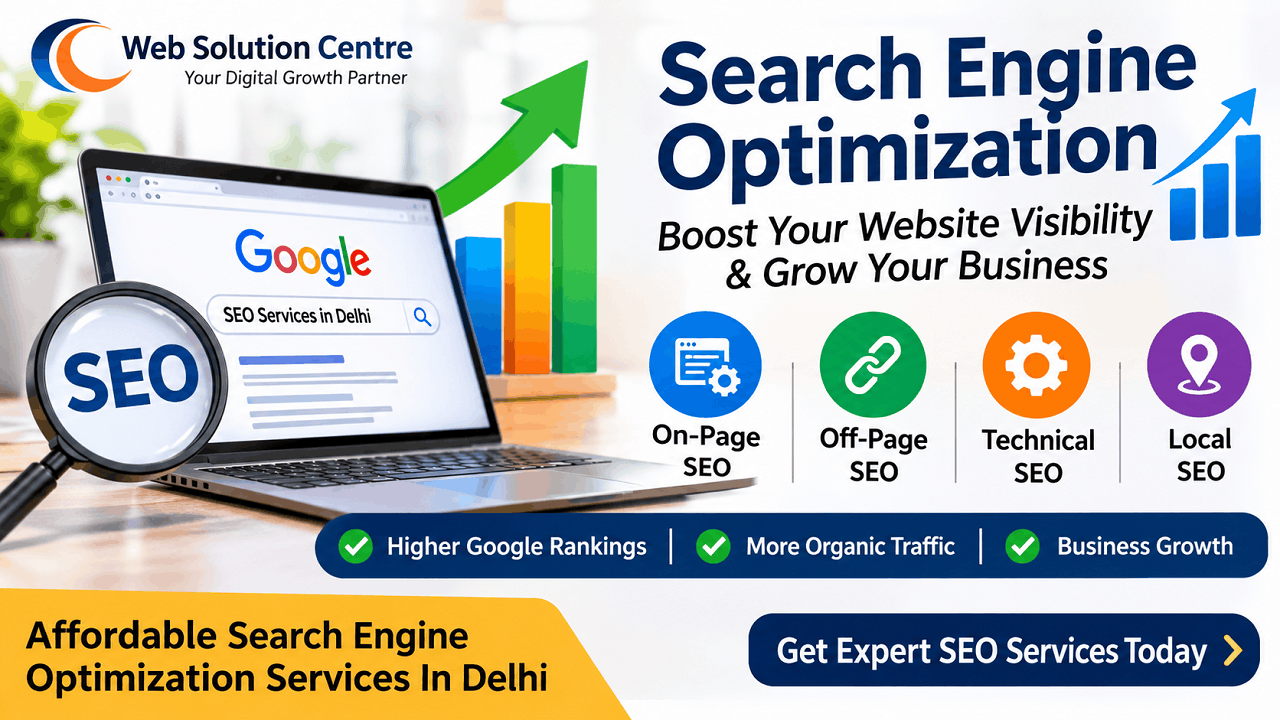
Introduction: The Importance of Search Engine Optimization in Digital Marketing
In today's competitive digital environment, having a business website is not enough to attract potential customers. A website must also be visible when people search for relevant products, services, and solutions online. Search Engine Optimization (SEO) helps businesses improve their organic search visibility, reach relevant audiences, and develop a stronger online presence.
Whether a company operates in manufacturing, healthcare, education, real estate, IT, ecommerce, or professional services, search engines can become an important source of potential customers. However, achieving consistent organic visibility requires more than publishing website content or inserting keywords into different pages. It involves technical improvements, content optimization, competitor analysis, website authority development, and continuous performance monitoring.
Businesses looking for professional digital marketing support need an SEO strategy that considers their industry, target audience, competition, and business objectives.
Web Solution Centre helps businesses improve their online presence through structured website optimization and digital marketing solutions. From keyword research to technical improvements, an effective SEO strategy focuses on making websites more accessible, informative, and useful for visitors.
What Is Search Engine Optimization and Why Does It Matter?
Search Engine Optimization is the process of improving a website so that search engines can discover, understand, index, and display its pages for relevant search queries.
Search engines use automated crawlers to explore websites and collect information about their pages. They then analyse content, links, website accessibility, and numerous other signals to determine which pages are relevant to a particular search.
SEO generally involves three important processes:
Crawling: Search engine bots discover website pages through internal links, external links, XML sitemaps, and other accessible resources.
Indexing: Search engines analyse discovered pages and decide whether their content is suitable for inclusion in their search index.
Ranking: Search engines evaluate relevant indexed pages and determine their positions in search results based on numerous signals.
A website that provides useful information, has a logical structure, and offers a positive user experience has a stronger foundation for organic search performance.
According to Google's official SEO Starter Guide, creating helpful, reliable, and people-first content is an important part of improving a website's presence in search results.
Understanding the Major Types of SEO
A complete SEO campaign combines several optimization techniques. Each category addresses a different aspect of website performance and contributes to the overall search strategy.
1. On-Page SEO: Improving Website Content and Page Relevance
On-Page SEO focuses on optimizing individual website pages to make their content relevant, informative, and easy to understand.
It helps search engines identify the subject of a webpage while allowing visitors to find the information they need.
Important on-page optimization activities include:
Keyword Research and Placement
Keyword research identifies the phrases potential customers use when searching for products, services, and information. Selecting relevant keywords is important because every webpage should address a particular search intent.
For example, a digital marketing company may target keywords related to SEO services, website development, local search optimization, and online marketing.
Primary and supporting keywords should be incorporated naturally into page titles, headings, introductory paragraphs, and relevant content sections. Avoid excessive repetition because keyword stuffing can negatively affect content quality.
Title Tags and Meta Descriptions
Title tags communicate the primary topic of a webpage and help users understand what they can expect from a search result.
Meta descriptions provide a brief summary of the page. Although they are not a direct Google ranking factor, relevant descriptions can help improve search result engagement.
Each important webpage should have unique and descriptive metadata.
Heading Tags and Content Structure
A logical heading structure improves readability and makes long articles easier to navigate.
The H1 heading should communicate the main subject, while H2 and H3 headings organize supporting topics into meaningful sections.
Properly structured content helps visitors understand information without having to read the entire page.
URL Optimization
Descriptive URLs make website navigation easier and communicate page topics more clearly.
For example, a URL such as example.com/seo-services-delhi is more descriptive than a complicated URL containing unnecessary parameters.
Image Optimization
Image optimization includes selecting suitable file formats, compressing images, using descriptive filenames, and writing meaningful alternative text.
These improvements support accessibility and help search engines understand the context of website images.
Internal Linking
Internal links connect relevant pages within the same website. They help visitors explore related information and allow search engine crawlers to discover additional pages.
For example, an article discussing website optimization can link naturally to relevant SEO services, website development solutions, or digital marketing resources.
2. Off-Page SEO: Developing Website Authority and Credibility
Off-Page SEO involves optimization activities performed outside a website to strengthen its online reputation, visibility, and authority.
While on-page SEO focuses on improving website pages, off-page SEO helps establish the website's presence across relevant online platforms.
Some important off-page SEO activities include:
Quality Backlink Building
Backlinks are links from external websites pointing towards your website. Relevant editorial backlinks from trusted websites, industry publications, and useful resources can help establish website authority.
The focus should remain on quality, relevance, and genuine editorial value instead of collecting large numbers of unrelated links.
Guest Posting
Guest posting involves contributing informative articles to relevant external websites. It provides opportunities to reach new audiences, demonstrate industry knowledge, and earn relevant editorial references.
Articles should offer original information rather than repetitive promotional content.
Business Directory Submissions
Business listings help potential customers discover company information through online directories and industry platforms.
Maintaining consistent business details, including company name, address, phone number, and website URL, supports local business visibility.
Digital PR and Brand Mentions
Digital PR involves promoting useful company information, industry insights, research, and expert commentary through relevant online publications.
Genuine brand mentions can improve awareness and create opportunities for relevant editorial backlinks.
Social Media Marketing
Social media platforms help businesses distribute articles, share company updates, and connect with their audiences.
Although social media engagement should not be considered a guaranteed direct Google ranking factor, it can support content discovery, brand recognition, and referral traffic.
3. Technical SEO: Building a Strong Website Foundation
Technical SEO focuses on improving the technical structure and accessibility of a website so search engines can crawl and understand its important pages.
A website may contain excellent content but still experience organic visibility problems if technical issues prevent search engines from accessing or indexing important URLs.
Important technical SEO activities include:
-
Improving website loading speed and Core Web Vitals.
-
Checking mobile responsiveness and usability.
-
Reviewing XML sitemap configuration.
-
Checking robots.txt and crawling accessibility.
-
Identifying broken links and incorrect redirects.
-
Implementing appropriate canonical tags.
-
Resolving duplicate URL and indexation issues.
-
Maintaining HTTPS security.
-
Reviewing structured data implementation.
-
Checking JavaScript rendering and page accessibility.
Technical SEO should be prioritised according to the website's actual problems rather than implementing unnecessary changes.
Why Businesses Need Affordable Search Engine Optimization Services In Delhi
Delhi has a competitive business environment where companies across different industries are working to attract customers through online channels.
For small businesses, startups, and established organizations, SEO can provide a sustainable way to reach people actively searching for their services.
Businesses looking for Affordable Search Engine Optimization Services In Delhi should evaluate the quality and scope of work instead of selecting an agency based only on the lowest price.
A well-planned SEO campaign can help businesses improve:
Organic Website Traffic: Reach visitors searching for relevant products, services, and industry information.
Brand Visibility: Improve the chances of appearing in relevant search results and introduce the business to potential customers.
Lead Generation: Attract visitors who are more likely to enquire about specific services or request product information.
Website Experience: Improve navigation, content organization, mobile usability, and page accessibility.
Long-Term Digital Growth: Develop useful website content and a stronger online presence that can continue generating opportunities over time.
The right SEO strategy depends on the website's existing condition, industry competition, target audience, and business goals.
Search Engine Optimization In Delhi: The Role of Local SEO
Local SEO is particularly important for businesses that provide services within specific geographical areas.
When customers search for nearby professionals, service providers, or businesses, search engines may display relevant local results based on the query and location.
A local SEO strategy includes Google Business Profile optimization, accurate business information, relevant local landing pages, customer reviews, and consistent business citations.
For example, a website designing company in Delhi can create informative service pages addressing the requirements of businesses looking for website development, ecommerce solutions, and digital marketing services.
Location-specific content should provide genuine information about services and customer requirements instead of creating multiple nearly identical pages with only location names changed.
Businesses should also maintain updated contact details and respond professionally to customer reviews.
How to Develop an Effective SEO Strategy for Your Website
Every business website has different optimization requirements. A new website may need keyword research and technical setup, whereas an established website may require content improvements, backlink analysis, and indexation problem resolution.
An effective SEO strategy generally follows these stages.
Website Audit and Analysis
Start by examining website structure, loading performance, indexation, metadata, internal links, existing content, and backlink profiles.
An SEO audit helps identify technical limitations and opportunities for improvement.
Keyword Research and Competitor Analysis
Identify relevant search queries based on customer requirements and business objectives. Study competitors to understand their content strategies, keyword coverage, and website structure.
This research helps identify opportunities that may not have been addressed by existing website pages.
Content Planning and Optimization
Develop useful service pages, informational articles, comparison guides, and educational resources.
Each page should have a clear purpose and provide meaningful information to visitors.
On-Page and Technical Improvements
Improve page titles, headings, URLs, internal links, image descriptions, mobile usability, and website accessibility.
Technical changes should be tested to ensure they do not create new crawling or indexing problems.
Off-Page Optimization
Focus on relevant editorial links, industry contributions, business citations, digital PR, and genuine brand visibility.
Avoid automated link schemes and irrelevant backlink campaigns.
Performance Monitoring
Use Google Search Console and Google Analytics to monitor organic clicks, impressions, search queries, landing pages, and website engagement.
Reviewing performance regularly helps identify which pages need additional improvements.
When Should You Hire Seo Expert In Delhi?
Managing SEO requires technical knowledge, content planning, keyword research, competitor analysis, and continuous performance evaluation.
Businesses with limited internal resources may find it difficult to manage all these activities consistently.
When you Hire Seo Expert In Delhi, choose professionals who understand how different SEO activities work together.
An experienced SEO professional should be able to identify technical issues, recommend suitable keywords, improve website content, evaluate competitors, and develop a practical optimization roadmap.
Before selecting an SEO company, consider its approach to:
-
Website auditing and technical SEO.
-
Keyword research and search intent analysis.
-
On-page content optimization.
-
Off-page SEO and ethical link building.
-
Local SEO and business profile management.
-
Performance reporting and campaign evaluation.
-
Long-term organic growth planning.
Avoid agencies promising guaranteed first-page rankings within a fixed period. Search engine rankings depend on several factors, including competition, website quality, relevance, and algorithm changes.
Common SEO Mistakes That Businesses Should Avoid
Even businesses investing in professional optimization can struggle when their campaigns rely on outdated or ineffective techniques.
Keyword Stuffing: Repeating keywords excessively makes content difficult to read and does not guarantee better rankings.
Duplicate Content: Publishing nearly identical pages can create confusion about which URL should appear in search results.
Ignoring Technical SEO: Broken links, incorrect redirects, crawling restrictions, and indexing issues can affect website visibility.
Low-Quality Backlinks: Collecting irrelevant or manipulative backlinks can create unnecessary SEO risks.
Poor Mobile Experience: Websites should provide easy navigation and readable content across different screen sizes.
Unplanned Content Publishing: Articles should address real customer questions and provide useful information rather than existing only to include keywords.
Ignoring Analytics: SEO decisions should be based on performance data, not assumptions.
Avoiding these mistakes helps establish a stronger foundation for sustainable organic growth.
Why Choose Web Solution Centre for SEO Services?
Web Solution Centre is a Delhi-based digital solutions company providing website and digital marketing services. With experience in website design, development, and online marketing, the company understands the importance of building a strong digital presence.
Our approach to SEO starts with understanding business requirements, analysing website performance, identifying relevant search opportunities, and developing practical optimization strategies.
Our SEO-related activities include keyword research, on-page optimization, technical SEO analysis, content improvements, internal linking, off-page SEO planning, local search optimization, and performance monitoring.
We also understand that website design and development contribute to the overall user experience. Clear navigation, responsive layouts, accessible pages, and relevant website content create a stronger foundation for organic search visibility.
Businesses can also explore our LinkedIn article on website design and digital business growth to learn more about our digital solutions and industry insights.
Our objective is to help businesses improve their online visibility through structured optimization, transparent communication, and continuous improvements based on website performance.
Conclusion: Strengthen Your Online Presence with the Right SEO Strategy
Search Engine Optimization is an ongoing process that combines content quality, technical performance, website authority, and user experience.
On-page SEO makes individual webpages more relevant and informative, off-page SEO helps develop online credibility, and technical SEO ensures that search engines can access and understand important website content.
When these activities work together, businesses can build a stronger organic search presence and connect with potential customers who are actively looking for their services.
Whether you are launching a new website, improving an existing digital presence, or competing in the Delhi NCR market, a structured SEO strategy can create opportunities for long-term business growth.
Connect with Web Solution Centre to discuss your website's SEO requirements and explore suitable optimization solutions for your business.
Web Solution Centre
Address: 2/345 Subhash Nagar, New Delhi – 110027, India
Phone: +91-9891846187
Email: support@websolutioncentre.com
Website: https://www.websolutioncentre.com/